Heart of Kvarner: The Golden Island of Krk
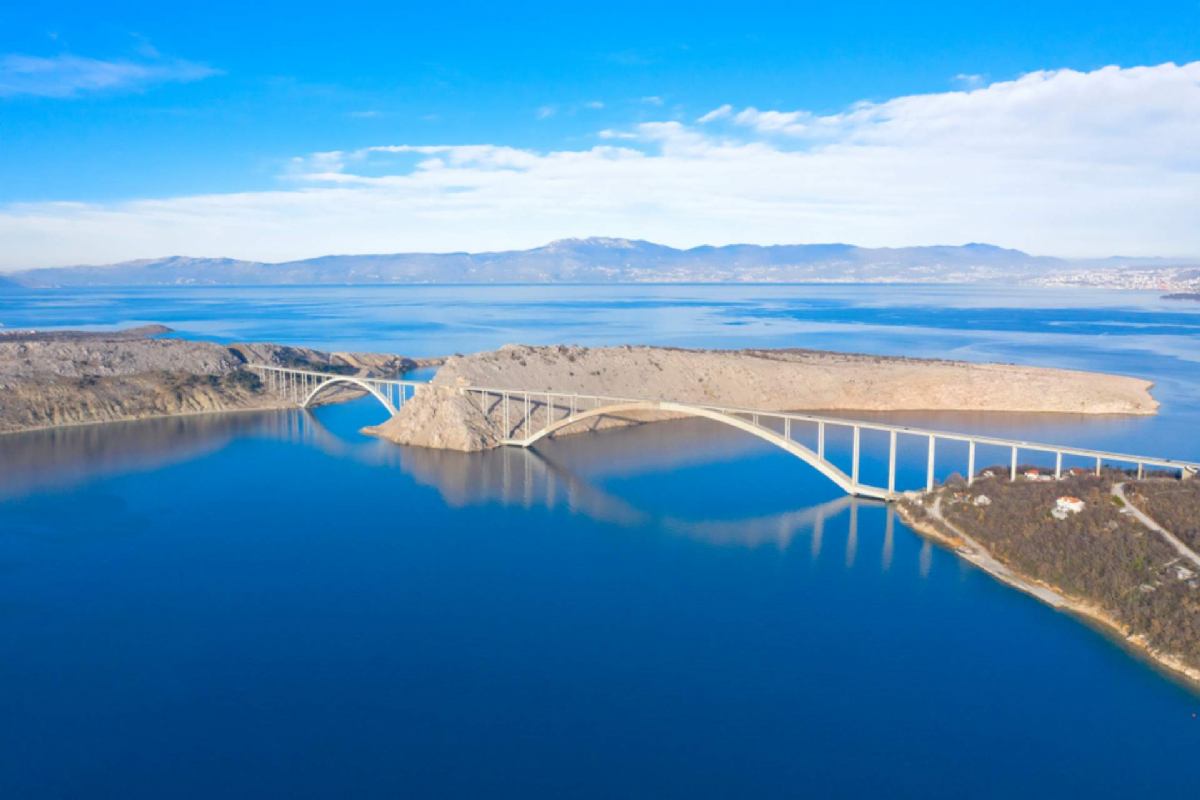
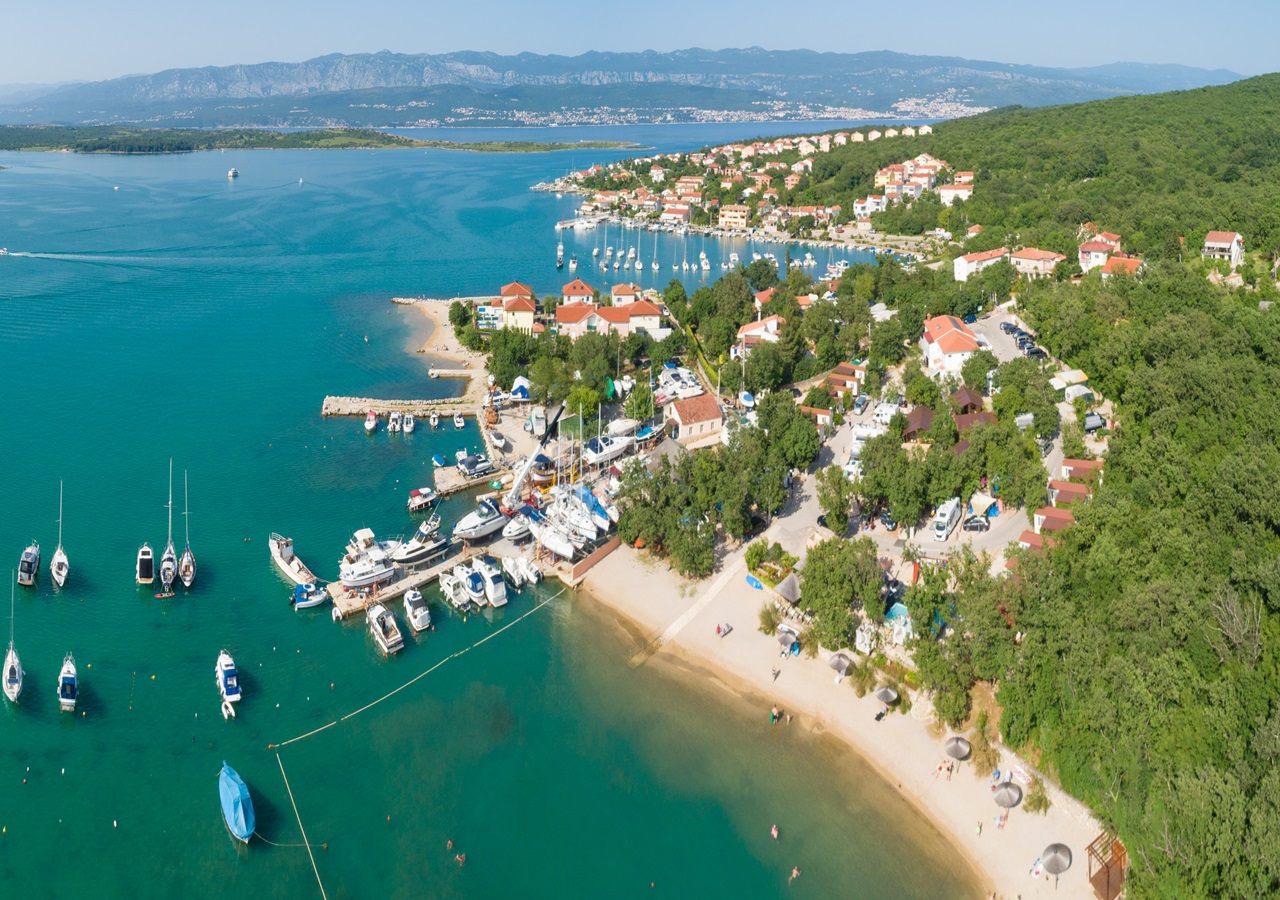
Krk, known as the Golden Island, is one of the most beautiful places on the Adriatic.
Its beauty, mild climate, and natural wealth were recognized as early as ancient times by the Romans, who called it Insula Aurea.
The island has been inhabited since prehistoric times, and throughout history it has been shaped by various peoples.
The first inhabitants were the Illyrians, while the Romans left behind a rich cultural and architectural heritage.
The Croats settled on the island in the 6th century, shaping traditions and culture that have endured to this day.
At the end of the 12th century, the Frankopan counts of Krk emerged — a noble family that significantly influenced the island’s development.
They promoted the Glagolitic script and the Croatian language, and the town of Krk became one of the centers of literacy and culture, an identity that remains strong even today.
What to Visit
The island of Krk is known for its many charming and picturesque towns and villages that radiate history, culture, and Mediterranean charm.
The town of Krk, the island’s capital, is surrounded by walls dating from Roman and medieval times.Its streets and squares tell the story of a rich history that reaches back to antiquity.
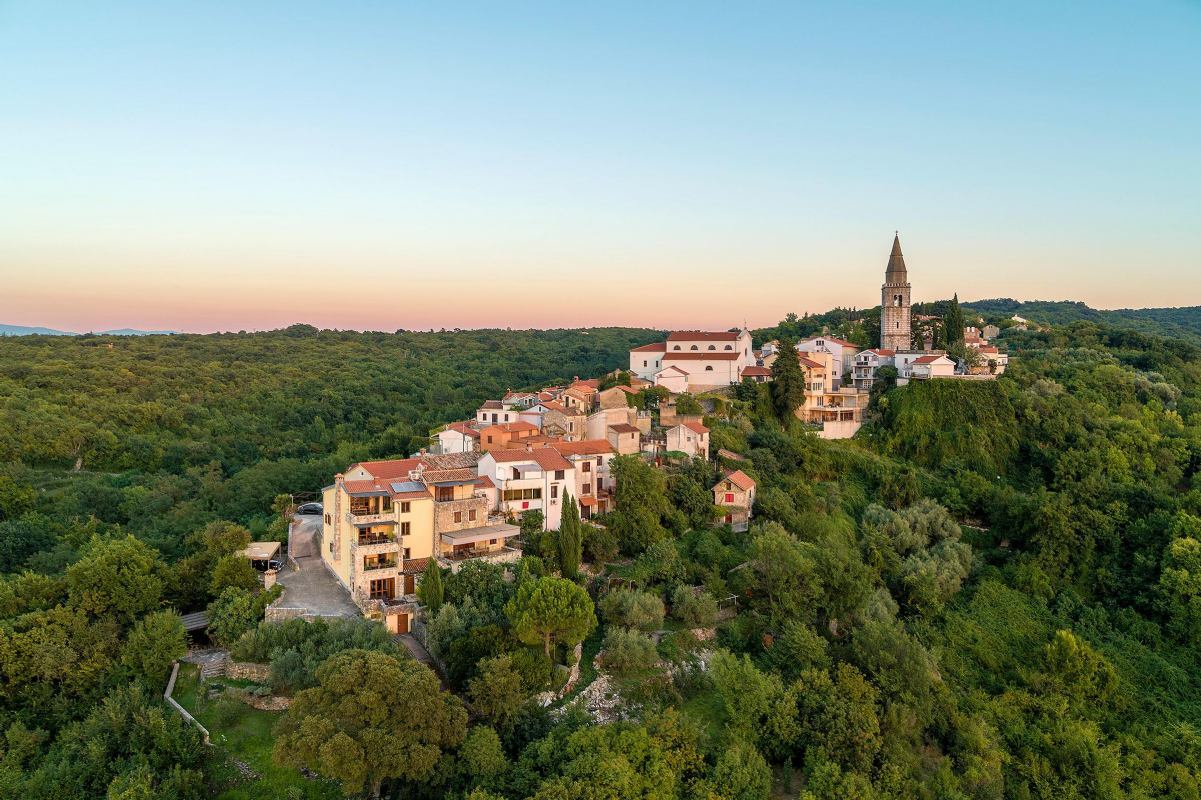
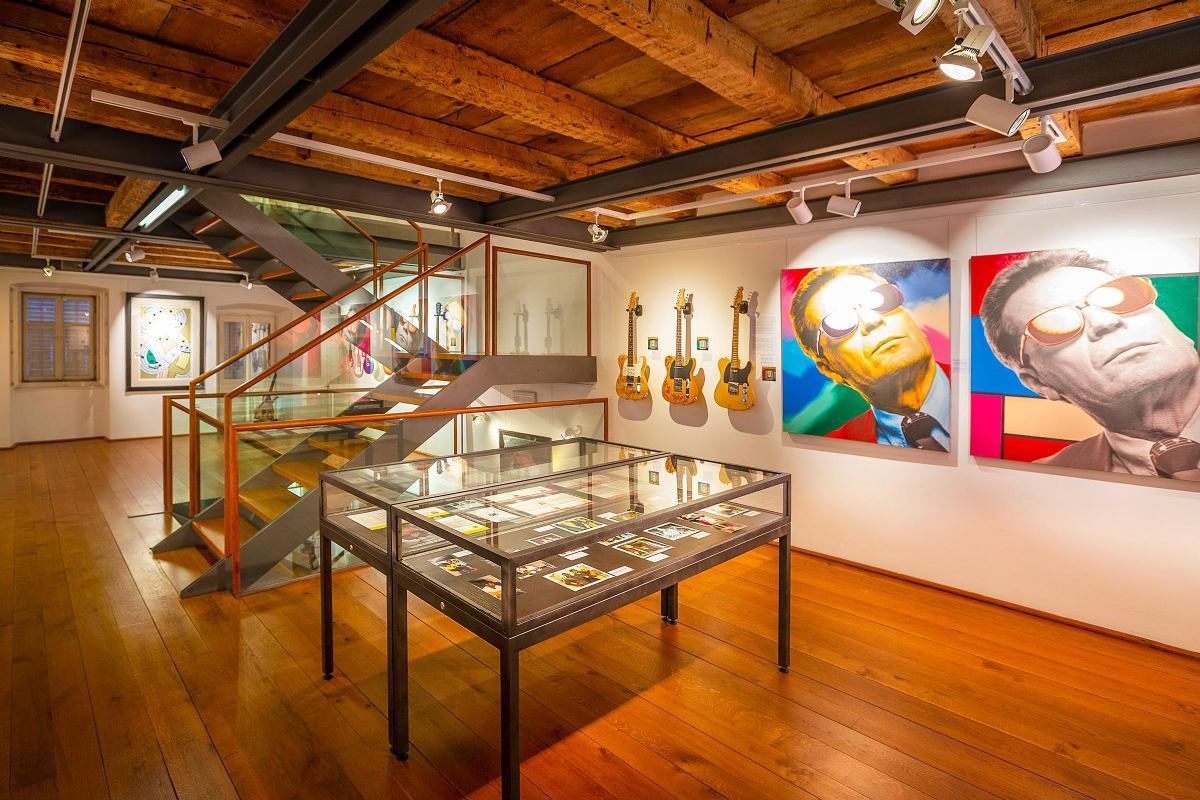
Dobrinj, located near our campsite, enchants visitors with its narrow stone streets and traditional houses. Here you can visit the ethnographic and sacred art museum, while art lovers will enjoy the Infeld Gallery.
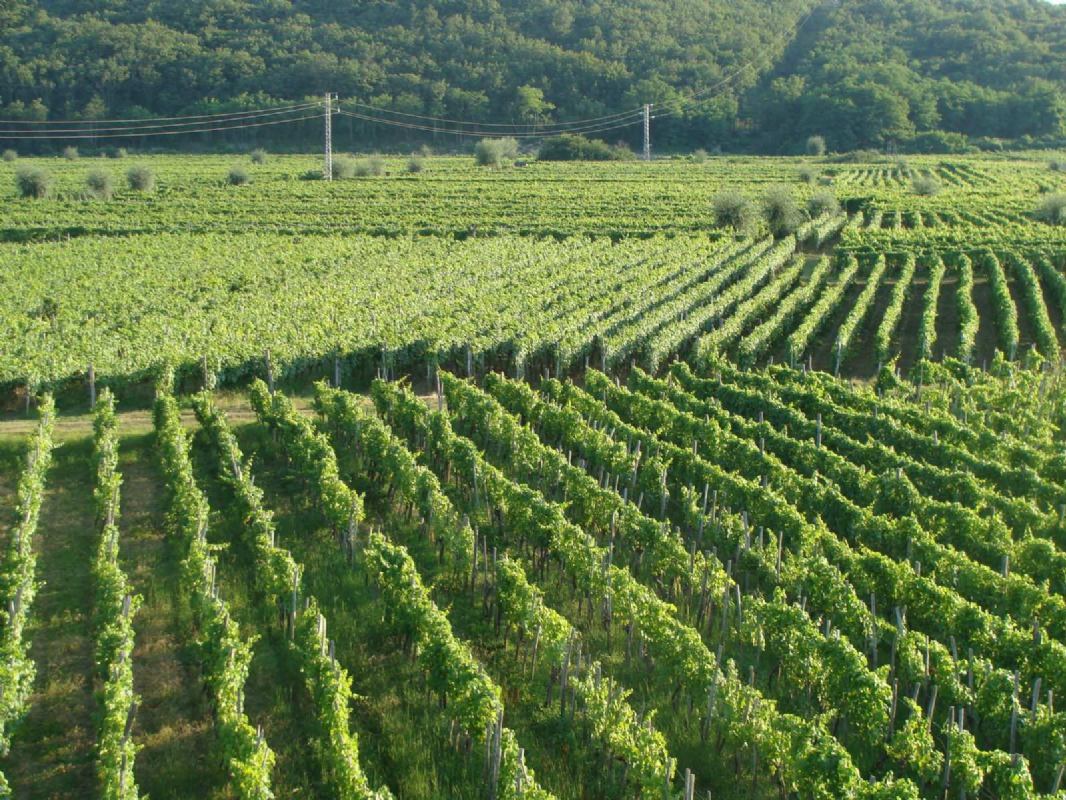
Vrbnik is famous for its indigenous wine, Žlahtina, and its winding alleys hide Klančić, considered the narrowest street in the world, measuring just over forty centimeters wide — a true challenge to try.
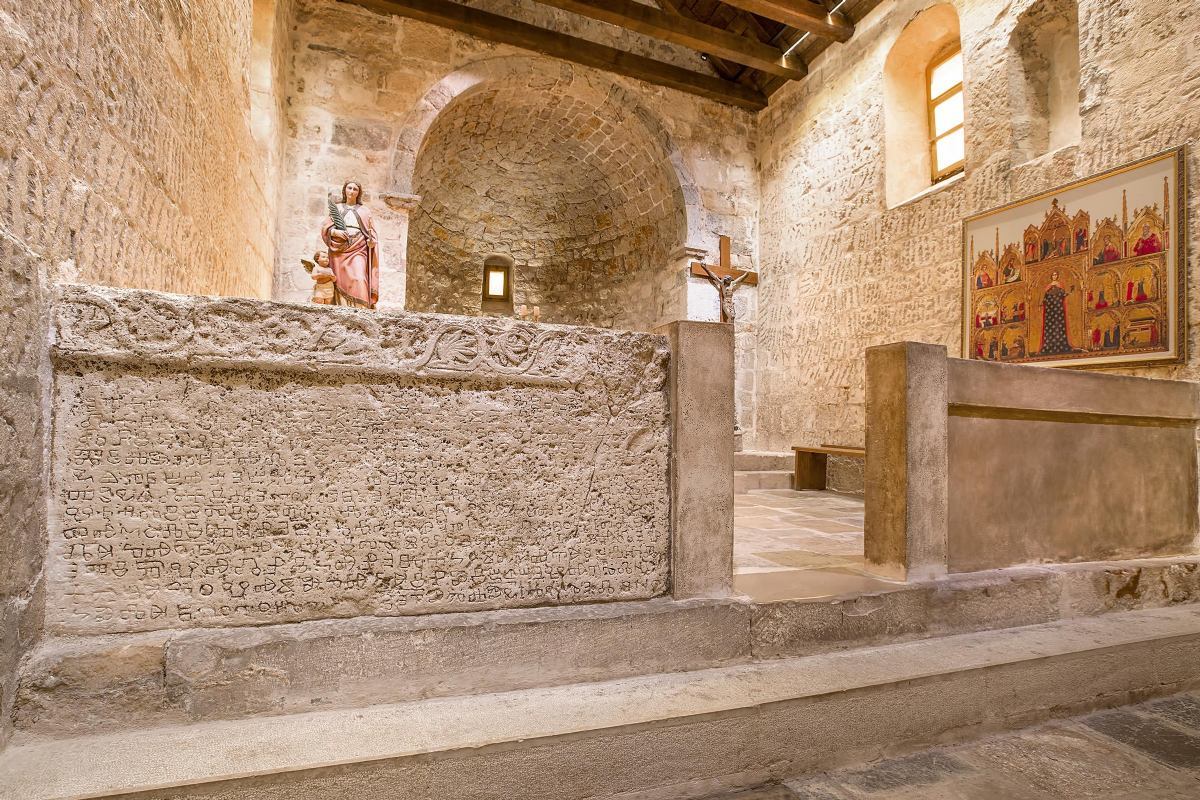
Near Baška, in the village of Jurandvor, you can find the Baška Tablet, one of the most important Croatian cultural monuments.
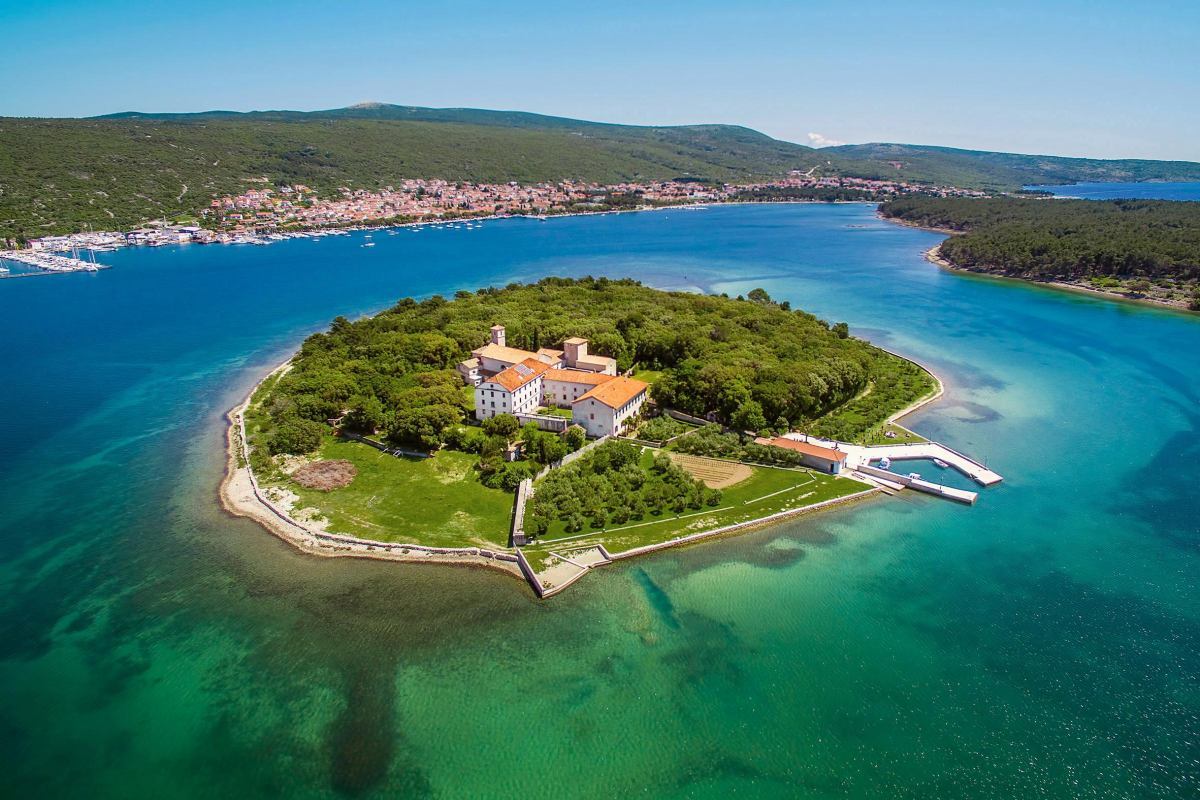
For peace and a special atmosphere, a visit to Košljun is highly recommended — a small islet in Puntarska Draga with a Franciscan monastery and a rich collection of cultural artifacts. Košljun can be reached exclusively by boat.
Krk also delights visitors with its indented coastlyyine, unspoiled nature, and hidden coves, ideal for exploration and relaxation.
Rich Culture and Tradition
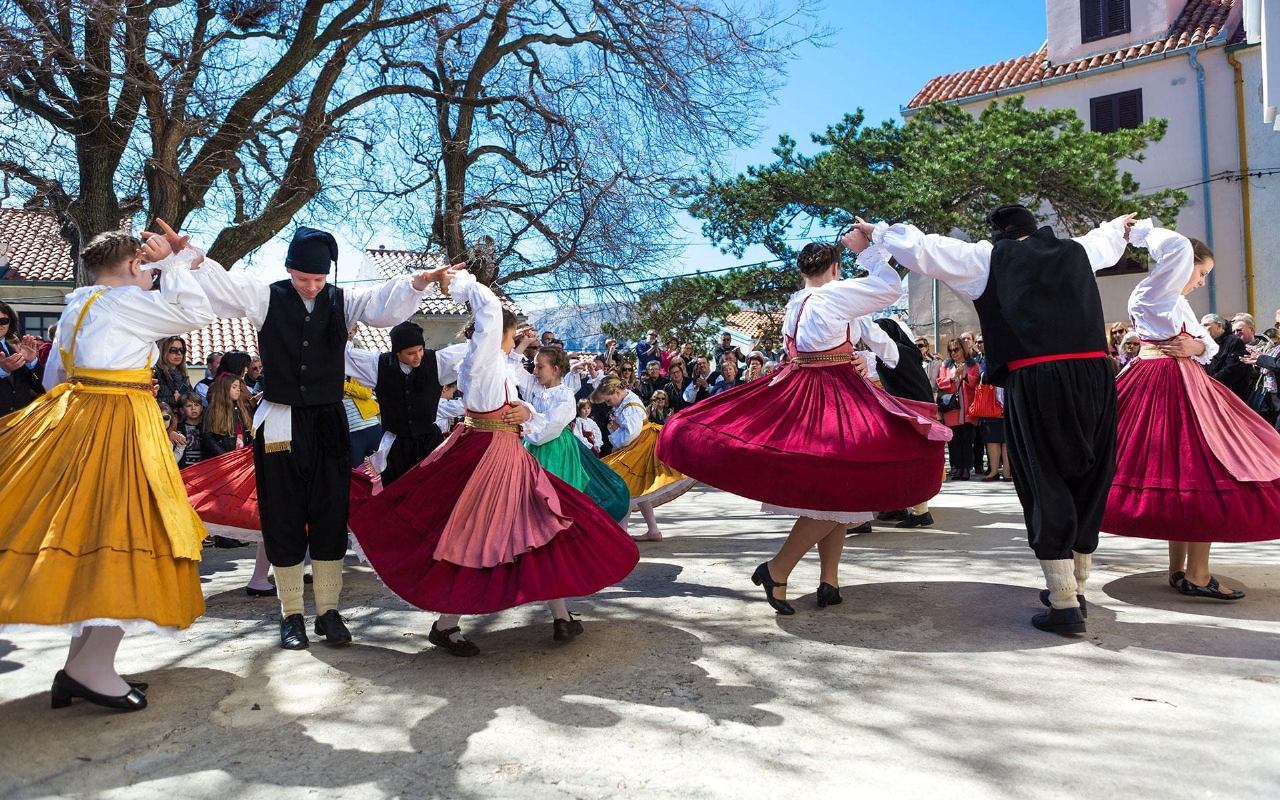
On Krk, the traditional way of life is still strongly present, and the islanders proudly preserve their customs and folklore.
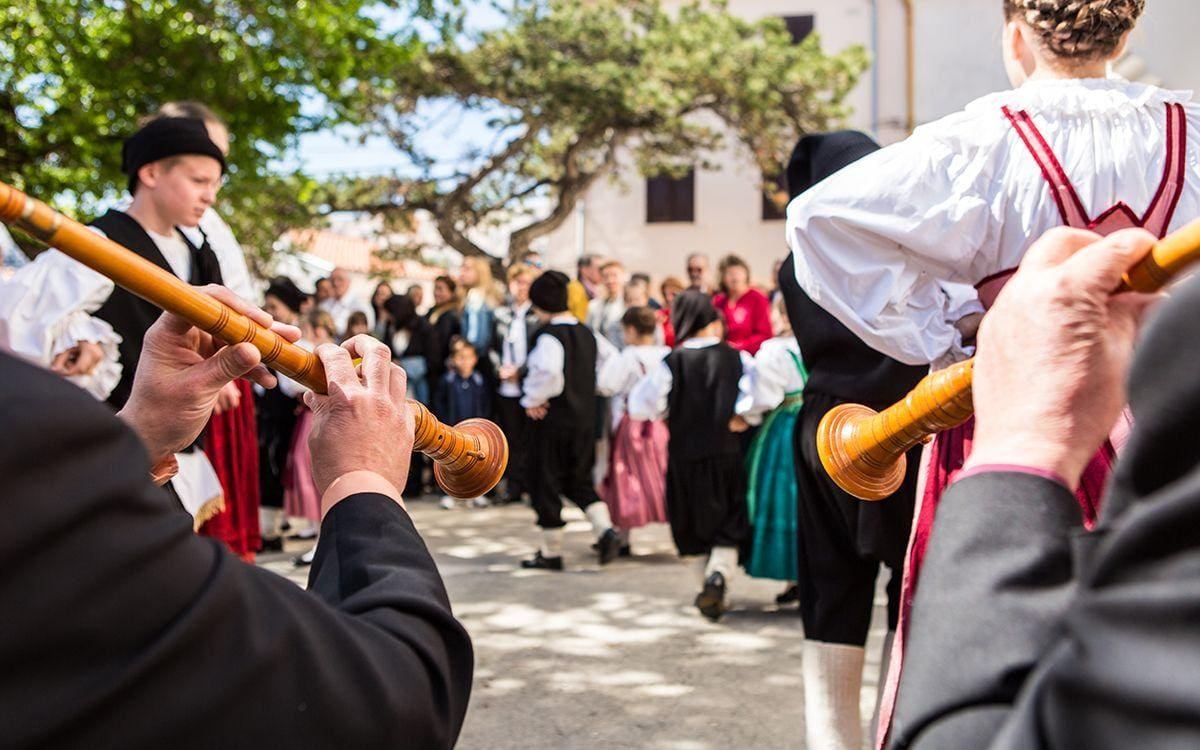
Dances and songs accompanied by the sopile, an ancient wind instrument, remain an essential part of all celebrations.
The richness of Krk’s folklore can be experienced every year at the Summer Folklore Festival and the Festival of Sopci of the Island of Krk.
Alongside music and dance, the people of Krk also preserve other cultural traditions — from local festivals and feasts to craft and religious customs passed down through generations.
This blend of history, tradition, and Mediterranean spirit makes Krk a place where past and present meet in everyday island life.
Local Production and Gastronomy
The gastronomic heritage of Krk is still preserved through old recipes passed down through generations.
The islanders are especially proud of their homemade olive oil, honey, and wine, while the indigenous Vrbnik Žlahtina pairs perfectly with traditional dishes such as šurlice pasta with žvacet, as well as fish dishes and seafood.
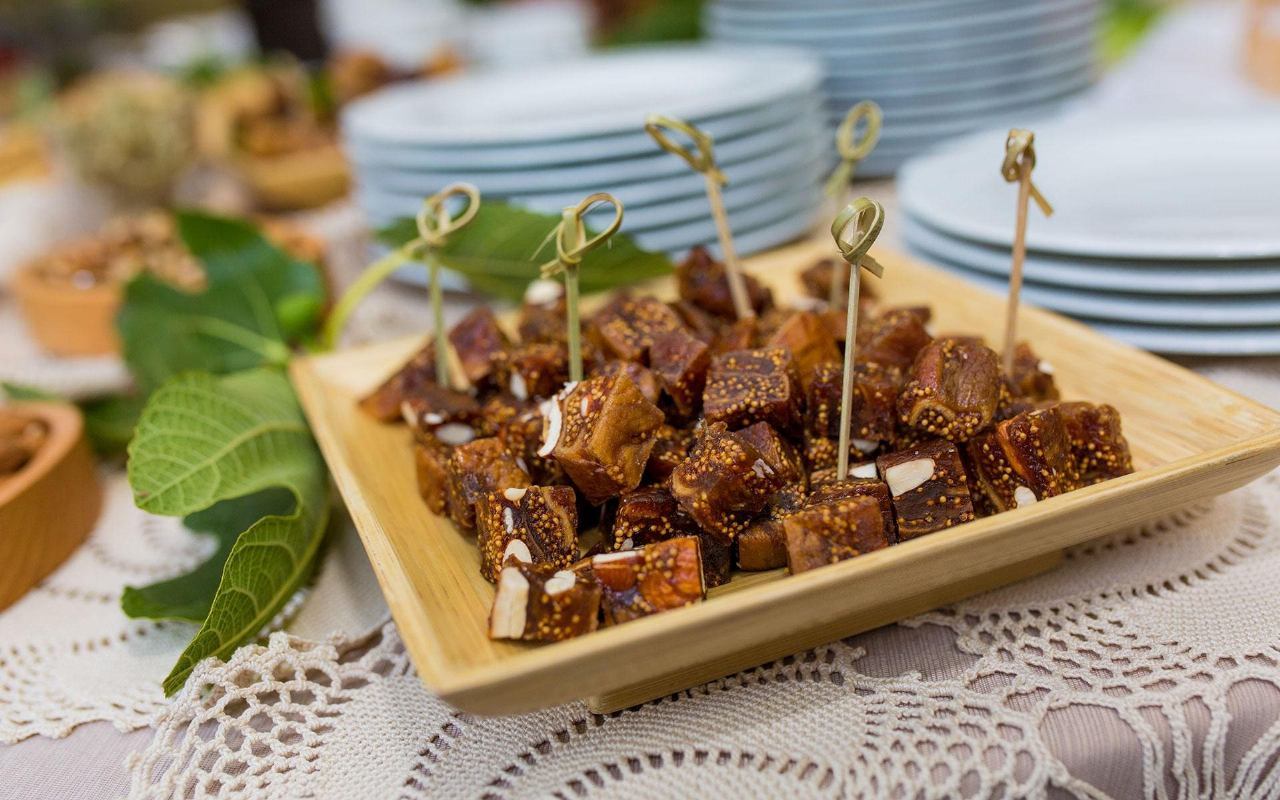
Essential delicacies include homemade sheep’s cheese and prosciutto, and for those with a sweet tooth, authentic dishes made from figs and cheese, including the typical dessert presnoc.
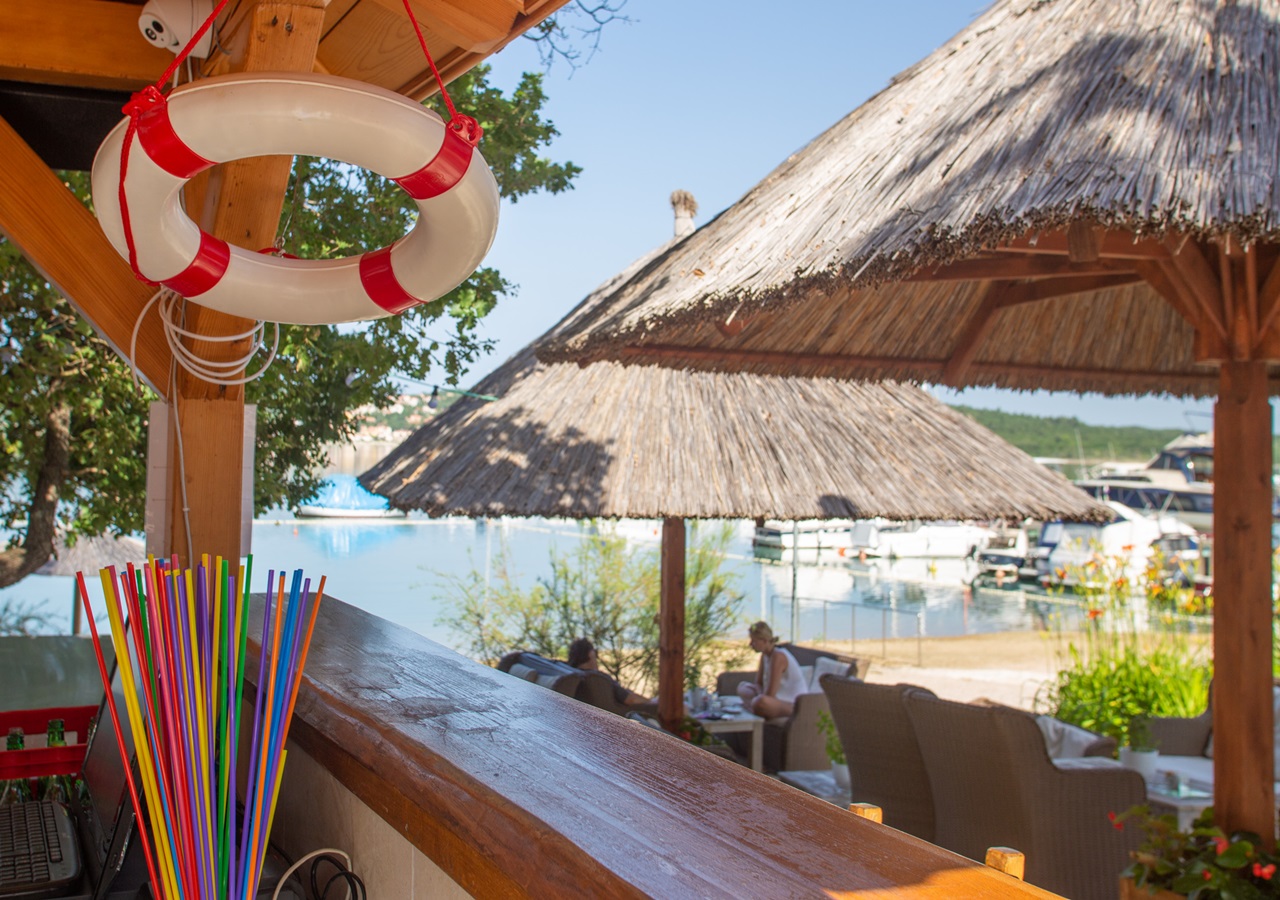
Many of these specialties, including Žlahtina, cheese, prosciutto, and homemade olive oil, can be tasted and enjoyed directly at our campsite restaurant.
The culinary experience is further enriched by traditional taverns and restaurants across the island, as well as events such as Wine Days, Fig Days, Šurlice and Asparagus Days, and Lamb and Cheese Days, all of which offer a true insight into the island’s cuisine and traditions.